

The sea surrounds Hanko on three sides. Thanks to its location at the southernmost tip of Finland and its mild climate, the area’s nature and biodiversity are remarkably diverse. Here you will find smooth cliffs and white sandy beaches, sheltered bays and beautiful meadows. The town has approximately 130 kilometers of shoreline, about 30 kilometers of which are sandy beaches. The archipelago north of Hanko attracts visitors with its lush islands, while the southern side is dominated by the open sea and rugged islets.
The outer archipelago and its wild nature, with striking contrasts, draw people in—whether your passion is birdwatching, kitesurfing, kayaking, peaceful walks along the shore, berry picking, or skating on the creaking sea ice in the crisp late-winter landscape.

A Burst of Color on the Cliffs
The most beautiful rocky seashores can be found at Uddskatan and Tvärminne, as well as in the Puistovuoret area in the town center. In summer, the cliffs are surrounded by the shimmering sea and adorned with vibrant flora. Many plant species thrive here, including European dodder, sea aster, seaside centaury, bloody cranesbill, chives, bog violet, hearts ease and crab apple.
Did you know?
The whiskered bat thrives in Puistovuori! Puistovuori and Plagen in Hanko are particularly important areas for different bat species, which forage and partly also breed here. All seven Finnish bat species have been recorded in the area: the northern bat, whiskered bat, Brandt’s bat, Daubenton’s bat, Nathusius’ pipistrelle, common noctule and common pipistrelle.
The Distinctive Plant Life of the Dunes
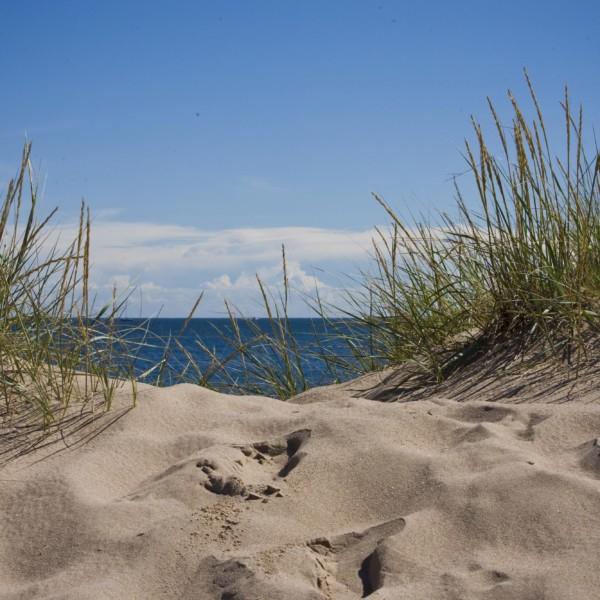
Along the seashore, the wind piles up sand into ridges known as dunes. Typical sandy beach plants can be seen, for example, in Kolaviken, Tulliniemi and Högsand. These include Breckland thyme, sea sandwort, sea kale, sea pea, lady’s yellow bedstraw, prickly saltwort, sea rocket, woad sandwort, and grass-leaved orache.
Rare Grasses and Sedges
Lyme grass grows naturally on sandy beaches. This sturdy grass, which can grow over a meter tall, is the most important sand-binding plant of our coastal dunes. During the famine years of the early 20th century, beachgrass was even used to produce flour and porridge.
The rare sand sedge has been recorded in relatively high numbers in Hanko. However, the plant is very rare overall and suffers from excessive wear and tear on beaches.
Marram is a very rare and highly endangered in Finland, and Hanko is its core habitat. With its extensive root system, marram efficiently binds loose sand in place.
Protected beauties
In Hanko there grow protected plants. Picking a protected plants or part of it or destgroying it is forbidden by law. They are marsh helleborine, mezereon, military orchid, dark red helleborine and thrift.
Did you know that more than 300 endangered species can be found in Hanko. View the list and learn more from this webbside. Note: Registration required.



3 Birds in Hanko
The versatile nature in Hanko can also be observed in the birdlife. About 270 bird species are spotted yearly on the cape. Did you know that the...
3 Animals in Hanko
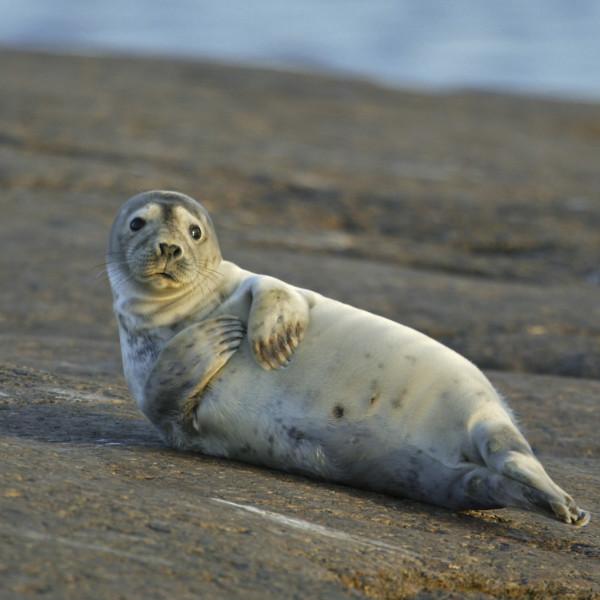
Learn more about the nature and you will enjoy your time in the nature even more. Flounder, Platichthys flesus The flounder spends the largest part...
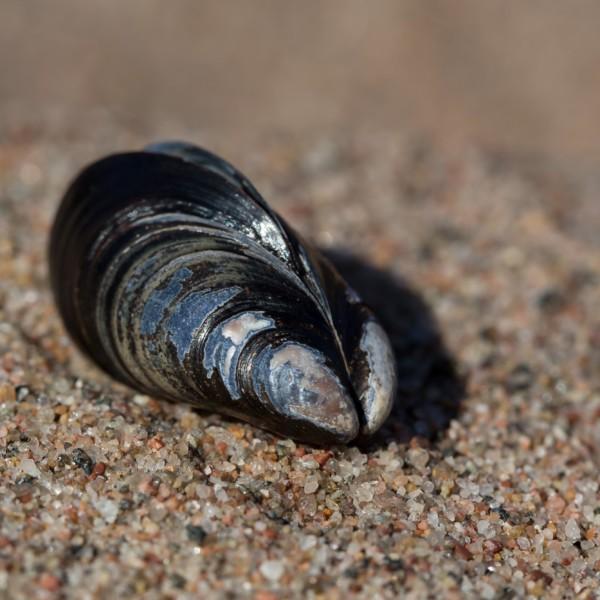
3 Mussels on the beach
Take a walk on the beach and gather stones and mussel shells that have floated ashore. Do you recognize three of our most common mussels and how they...